

ATTACHMENT, BOUNDARIES & RELATIONSHIP PATTERNS · MISSOURI & ILLINOIS
Attachment & Boundaries Therapy in Missouri and Illinois
You've diagnosed the pattern. You're still stuck in it.

Free 15-minute consult · In-network with most major insurance · 100% online · Early morning, evening, and Sunday availability
93% of new clients come back after their first session.
You can see the pattern clearly. You keep ending up in the same dynamic, with different people, in different relationships, and you can practically narrate it before it happens.
Knowing the pattern hasn't been enough to break it. Therapy for attachment, boundaries, and relationship patterns at CLS is about building the traction that insight alone doesn't give you. Here's why insight alone doesn't change a pattern.
CLS Counseling & Consulting offers online therapy for attachment, boundaries, people-pleasing, and repeating relationship patterns for adults and teens 16 and up, anywhere in Missouri and Illinois, from St. Louis and Kansas City to Chicago and the Metro East. All three of our therapists help with boundaries and people-pleasing, in English or Spanish. For deeper attachment and relationship-pattern work, Nicole McSuhm, LCSW, is our specialist in Illinois. We're in-network with most major insurance plans.
What it can feel like when the pattern finally breaks
You say no without writing a three-paragraph apology first.
You notice the pattern before you're in it, not after.
Guilt shows up and you don't let it drive.
You stop being the default for everyone's emergencies.
Your relationships feel mutual instead of managed.

Is this you?
This covers two related things: patterns that show up across your relationships, and boundaries within them.
You keep ending up in the same dynamic, romantic, platonic, or at work, and you can see it happening in real time.
You say yes when you mean no, then feel resentful about it later.
You're the one everyone leans on, and you're not sure how to change that without feeling like you're letting people down.
You've done the reading and the journaling. You understand the pattern. It's still running the show.
You want to understand how past relationships, including family ones, still shape how you attach, react, or pull away now.
What keeps people from reaching out
A lot of people delay this work because it feels less urgent than a crisis. It often sounds like:
“I already know why I do this, so what's therapy going to add?”
“Setting boundaries feels selfish, even when I know it isn't.”
“This is just how I am. It's not really a problem.”
“I've tried to change this before and it didn't stick.”
Self-awareness is a real head start. It's just not the same thing as change.
Sound familiar? Start with a free 15-minute consult. Book your free consult →
What Attachment and Boundaries Therapy Looks Like at CLS

You've already done the detective work. You can name the pattern, the origin story, and probably the exact moment it kicks in. This work is about the harder part: building the skills to interrupt it in the moment, instead of narrating it to your therapist afterward.

Repeating relationship patterns are common, not a personal flaw. In a nationally representative study of U.S. adults, more than a third described an insecure attachment style, meaning closeness tends to bring up worry or a pull to keep your distance (Mickelson, Kessler & Shaver, 1997). Boundary-setting is a skill, and it gets easier with practice and the right structure.

Boundaries & people-pleasing: any of our three therapists, anywhere in Missouri or Illinois, in English or Spanish.
Attachment & relationship patterns: Nicole, for deeper pattern work in Illinois.
Why this works
Attachment styles aren't a life sentence. A systematic review of 14 studies found that people often become more secure in how they relate to others over the course of therapy, with attachment anxiety going down (Taylor et al., 2015).
Clinically reviewed by Cassandra Sissom, LCPC, LPC, clinical director · Last reviewed October 2026
Getting started
1
Book a free consultation
15 minutes to share what's going on and find your fit.
2
Get a plan
Your first session names the pattern and picks the first place to interrupt it.

3Build skills that stick
Practice interrupting the pattern in real situations. As it gets easier, sessions space out.

Wondering about cost? We're in-network with most major insurance plans, and we'll verify your benefits before your first session.
Meet your therapists
-
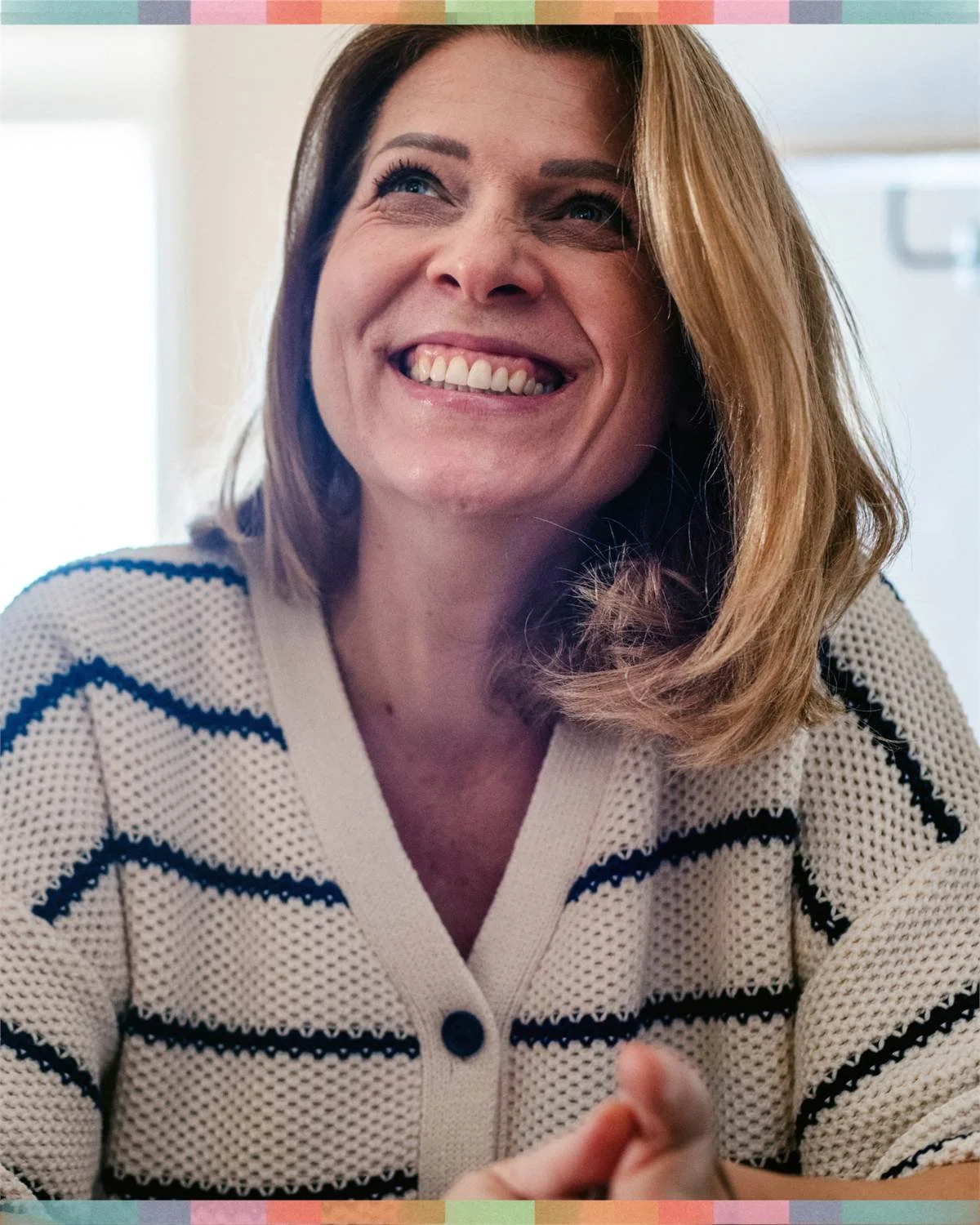
![Nicole McSuhm, LCSW, attachment and relationship patterns therapist in Illinois]()
Nicole McSuhm, LCSW
LCSW (Illinois only) · Attachment & relationship patterns
Best fit if you've already identified your pattern, across partners, friendships, or work, and want to move from insight to actual traction. Strengths-based: not broken, just stuck. LGBTQ+ and disability-affirming.
Direct, pattern-focused, and strengths-based.
-
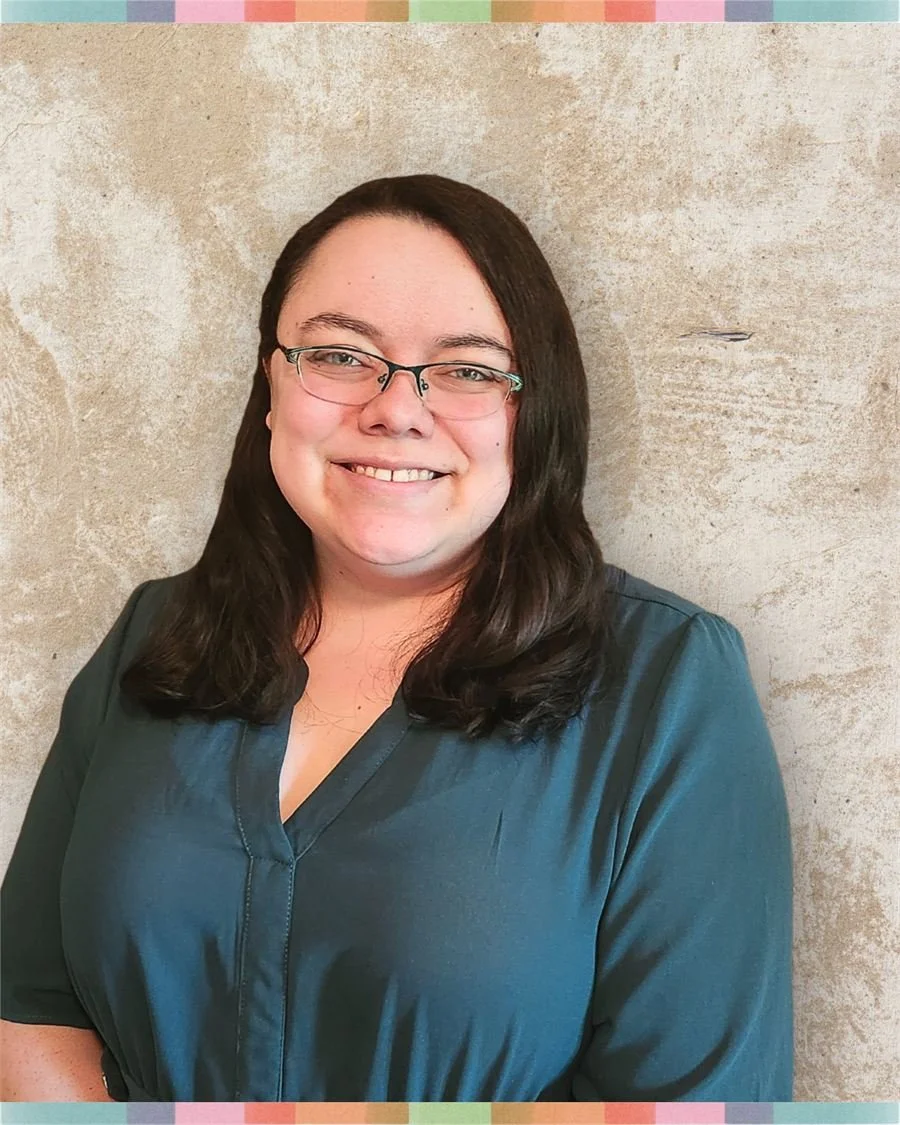
![Carolina Dolan-Dominguez, LCSW, bilingual boundaries therapist in Missouri and Illinois]()
Carolina Dolan-Dominguez, LCSW
LCSW (MO & IL) · English & Spanish
Best fit for teens 16+, young adults, and bilingual clients working on boundaries around family expectations and cultural obligations that make saying no feel especially loaded. Evening and Sunday times available.
Structured, compassionate, and practical.
-
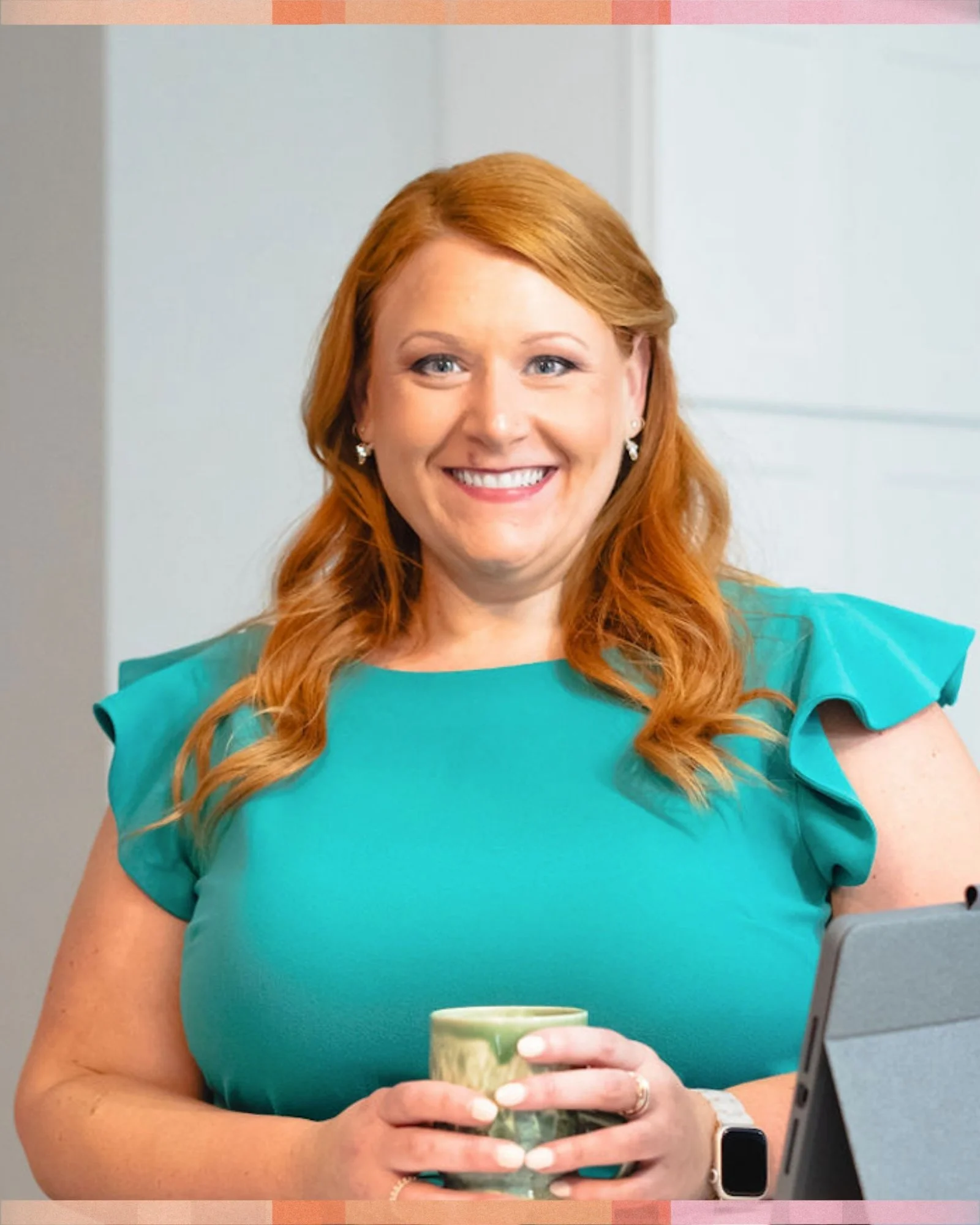
![Cassandra Sissom, LCPC, LPC, boundaries and people-pleasing therapist in Missouri and Illinois]()
Cassandra Sissom, LCPC, LPC
LPC (MO) · LCPC (IL)
Best fit for the “oldest daughter” pattern: reliable for everyone except yourself. Helps high-achieving women and LGBTQ+ clients with boundaries and people-pleasing, and separate being responsible from being responsible for everyone.
Insightful, candid, and grounded.

Common Questions
-
Understanding the pattern and interrupting it are two different skills. Therapy focuses on the second one: building the traction to do something different in the moment, not just naming what's happening.
-
Yes. Boundary-setting is a skill, not a personality trait. It gets easier with practice and the right structure, and all three of our therapists work on it directly.
-
Boundaries work focuses on saying no, managing guilt, and protecting your time and energy. Attachment work looks at deeper patterns in how you connect, react, or pull away in close relationships. They often overlap, and your first session is where we figure out which is the bigger lever for you.
-
Yes. All sessions are online, and we see clients anywhere in Missouri or Illinois, from St. Louis and Kansas City to Chicago, Springfield, and the Metro East. Early morning, evening, and Sunday appointments are available.
-
Yes. We're in-network with most major insurance plans, and we'll verify your benefits before your first session. Self-pay and superbills are available too.
-
No. This is individual therapy, so you can do this work on your own, even if the pattern shows up with a partner or family. If you'd like to work on it together, Nicole also offers couples therapy in Illinois.
In crisis right now? Call or text 988, or call 911 if you're in immediate danger.
-
It's a free 15-minute consultation or chat to see if it's a good fit, for you and for us. No commitment, just a chance to ask questions and get a feel for how we work.
Related: Couples therapy · Identity & life transitions · LGBTQ+ therapy
Insight got you here. Let's get you out.
A free 15-minute consultation or chat. No pressure, no commitment.
