Anxiety, Burnout, and Depression Therapy for When You Can’t Just “Snap Out of It”
Virtual therapy for anxiety, stress, burnout, and depression, serving Missouri and Illinois.

Your to-do list is done and your body still hasn't gotten the memo. You're snapping at people you love, dreading things that used to feel easy, or just going flat, going through the motions of a life that used to feel like something.
Anxiety, stress, burnout, and depression therapy at CLS Counseling & Consulting is built for exactly this: not a breakdown, just a slow leak that's finally caught up with you.
Who is this for
You don't have to be in crisis to belong here. Most people who reach out to us are still functioning, still showing up, still getting things done.
You feel wired and tired at the same time
You've started dreading things you used to enjoy, or you can't remember the last time something felt good.
You're irritable in a way that surprises you, snapping at people who don't deserve it.
You've tried to fix this yourself: apps, journaling, more sleep, less caffeine, and it helped a little, but not enough.
Slowing down doesn't feel like an option because everyone depends on you.
Most people wait months, sometimes years, before reaching out. Usually it's one of these:
“Everyone's stressed right now, this is probably just normal.”
“I don't have time to add one more thing to my schedule.”
“I've tried therapy before and it was just an hour of talking with nothing to show for it.”
“I don't want to be medicated or labeled, I just want to feel like myself.”
None of those are wrong. They're also not reasons to keep white-knuckling it.
What gets in the way

How Anxiety, Stress, Burnout, and Depression Therapy Works at CLS
Therapy here is built around action, not just insight. You'll leave sessions with something specific to try, not just a space to vent, though there's room for that too.
Anxiety disorders affect an estimated 19.1% of U.S. adults in any given year, and major depressive episodes affect about 8.3% of U.S. adults annually (National Institute of Mental Health). Burnout is even more widespread: a 2025 national survey found 55% of U.S. workers reported experiencing burnout. If this is you, you are not the outlier. You're the norm, and it's treatable.
We use evidence-based approaches, including CBT, ACT, and mindfulness-based methods, adapted to your actual life and schedule, not a generic script. Sessions typically start weekly or every other week, then space out as things start to shift.
A simple path forward:
Connect – Meet with a therapist to understand what's going on.
Create a Plan – Set goals and build practical coping strategies.
Make Progress – Develop lasting skills that help you feel more balanced and resilient.
Who You'll Work With
Three clinicians on our team treat anxiety, stress, burnout, and depression. You don't need to pick the “right” one before reaching out, the free intro call is designed to help you figure that out together.
Nicole McSuhm
you’ve already done the reading and the reflecting, now you’re ready for traction
direct, pattern-focused, & strengths-based
Nicole works with anxiety, depression, and burnout as they show up in relationships and communication, not just internally. She's LGBTQ+ affirming, disability-affirming, and uses a relational approach (Gottman, EFT, IFS) to help clients understand not just what they're feeling, but why it keeps happening.

LCSW, IL
Carolina Dolan-Dominguez
find what's actually driving the problem and build skills that work outside the session
structured, compassionate, and practical
Carolina works with teens, young adults, and bilingual clients (sessions available in Spanish or English) navigating anxiety, burnout, and depression, often alongside major life transitions like college, a new job, or a first real taste of independence. She offers evening and weekend availability.

LCSW, MO & IL
Cassandra Sissom
You've managed everything except feeling better.
Cassandra works with high-achieving women and LGBTQ+ clients who are anxious, burned out, or quietly depressed while still keeping it together on the outside. She specializes in the exhaustion that comes from being the reliable one, at work, at home, or both, and helps clients build systems that actually fit how their brain works.
Insightful, direct, and supportive
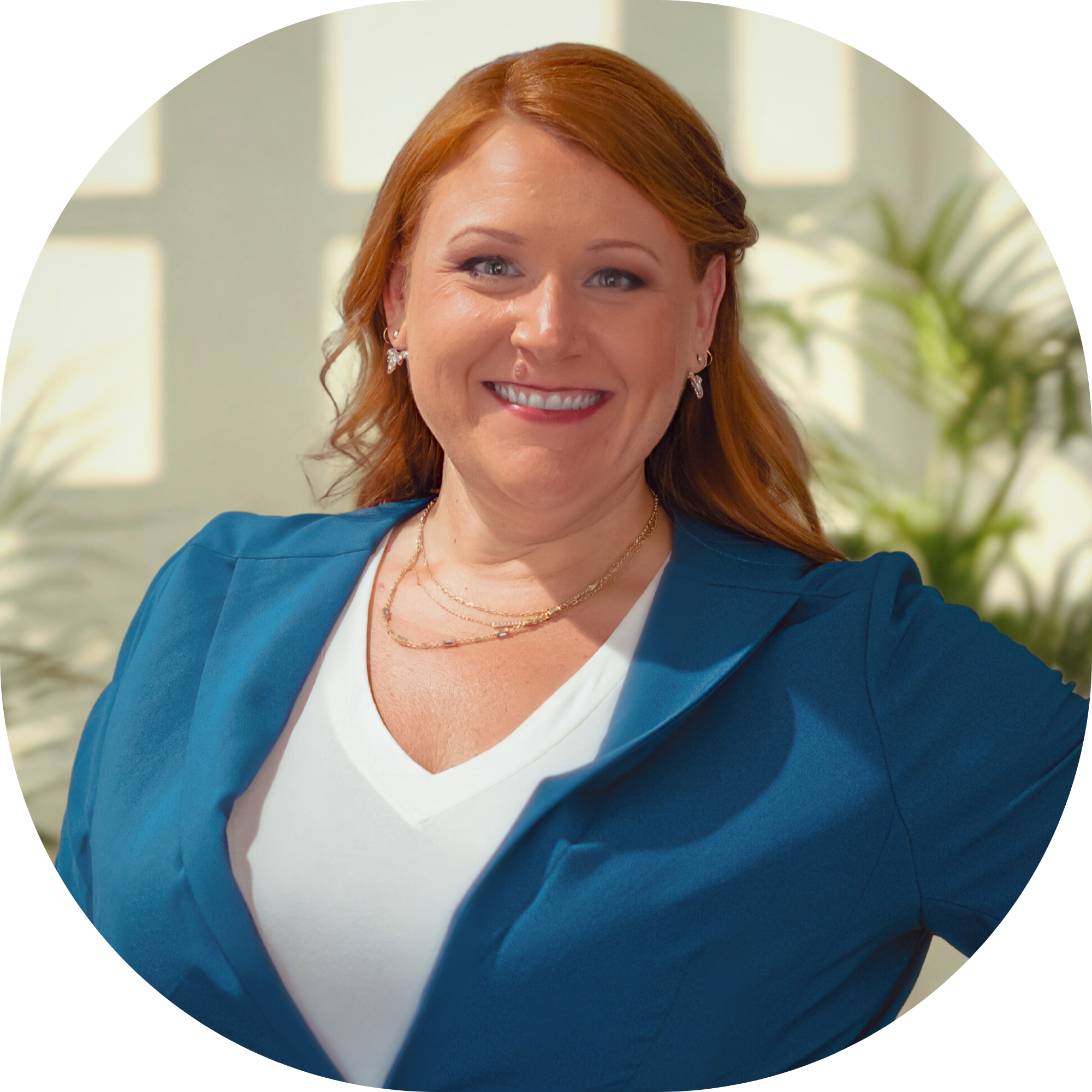
LCPC, IL; LPC, MO
Common Questions
How do I know if this is anxiety, burnout, or depression?
You don't need to diagnose yourself before reaching out. A lot of people show up with some mix of all three. Your first session is where we sort out what's actually going on and what to do about it.
What kind of therapy do you use for anxiety, stress, burnout, and depression?
We draw from evidence-based approaches like CBT, ACT, and mindfulness-based methods, adapted to your life. Sessions are collaborative and action-oriented, you'll leave with something to try, not just something to think about.
Do you offer virtual therapy in Missouri and Illinois?
Yes. All sessions are virtual, and we currently serve clients located anywhere in Missouri or Illinois.
Do you accept insurance?
Yes and we can help you understand your options, including self-pay and out-of-network reimbursement. Reach out before your first session and we'll walk you through what applies to you.
How long does therapy for anxiety, stress, burnout, or depression usually take?
It depends on what you're working through, but most clients start weekly or every other week and space sessions out as things improve. The goal isn't therapy forever, it's giving you tools you can eventually use on your own.
What happens on the free intro call?
It's a short, no-pressure conversation to see if it's a good fit, for you and for us. No commitment, just a chance to ask questions and get a feel for how we work.
Can I switch therapists if the first match isn't the right fit?
Yes. Fit matters more than sticking with a first pick. If it's not clicking, tell us and we'll help you find someone who's a better match.

Have more questions?
The first step is a free 15-minute intro call. No pressure, no commitment, just a chance to see if it's a fit.