

ONLINE THERAPY · MISSOURI & ILLINOIS
Trauma & PTSD Therapy in Missouri and Illinois
For when the past won’t stay past.

Free 15-minute consult · In-network with most major insurance · 100% online · Early morning, evening, and Sunday availability
93% of new clients come back after their first session.
Something happened, or a lot of somethings, and your body never quite got the message that it's over. You might flinch at things that shouldn't bother you, go numb without meaning to, or brace for a bad moment that isn't actually coming.
Trauma therapy at CLS is about helping your nervous system catch up to the present, not just talking through what happened.
CLS Counseling & Consulting offers online trauma and PTSD therapy for adults and teens 16 and up, anywhere in Missouri and Illinois, from St. Louis and Kansas City to Chicago and the Metro East. You set the pace. Sessions are 53 minutes, available in English or Spanish, and we're in-network with most major insurance plans.
What it can feel like when the past stays in the past

Reminders stop hijacking your whole day.
You feel safe in your own body, not just on paper.
You stay present in hard conversations instead of shutting down.
The past becomes something that happened, not something that's still happening.

Is this you?
Trauma doesn't always look like what you'd expect. A lot of people carrying it are still functioning fine on paper.
A smell, sound, or offhand comment sends you somewhere else entirely, even years later.
You feel keyed up or on edge without an obvious reason.
You go numb or shut down when things get emotionally intense, even in good moments.
You avoid certain people, places, or conversations without fully admitting why.
Something happened that you've never really talked about, not because it wasn't a big deal, but because saying it out loud feels harder than carrying it.
What keeps people from reaching out
Trauma has a way of talking you out of getting help for it. Usually it sounds like one of these:
“It wasn't that bad. Other people have been through worse.”
“It happened a long time ago. I should be over it by now.”
“I don't want to relive it just to talk about it.”
“I've told this story before and nothing changed.”
None of those mean you don't deserve support. They're usually just trauma doing what trauma does.
Sound familiar? You don't have to wait until it gets worse.
What Trauma and PTSD Therapy Looks Like at CLS

You don't have to relive the worst moment of your life in vivid detail to make progress. No one is going to make you tell the whole story on day one, or ever, if you don't want to. The work focuses on what your body and mind are doing right now, and on tools that help them stand down.
About half of U.S. adults will experience at least one traumatic event in their lives, but most do not go on to develop PTSD. An estimated 3.6% of U.S. adults have PTSD in a given year, and about 6.8% will experience it at some point in their lives (National Institute of Mental Health). If this is you, you're far from alone, and it responds well to treatment. Trauma isn't only single events, either. Racism, discrimination, community violence, and years of feeling unsafe can leave the same marks, and we treat them as real.

Our clinicians use Cognitive Processing Therapy (CPT), trauma-focused cognitive behavioral therapy, and Internal Family Systems (IFS), adapted to your specific experience. CPT helps you notice and loosen the stuck beliefs trauma can leave behind, like "it was my fault" or "I'm never safe," and it's one of the treatments the American Psychological Association's PTSD guideline strongly recommends. Trauma-focused CBT builds skills to calm your body and work through memories at a pace you choose. IFS helps you understand the protective parts of you that formed to keep you safe. Sessions are 53 minutes and online. You set the pace. Nothing is forced before you're ready for it.
Clinically reviewed by Cassandra Sissom, LCPC, LPC, clinical director · Last reviewed October 2026
Getting started
1
Book a free consultation
15 minutes to share as much or as little as you want and find your fit.
2
Get a plan
Your first session maps out what's happening now and where to start, at a pace that feels manageable.
3
Build skills that stick
Leave each session with a tool to try. You set the pace, and sessions space out as things settle.

Wondering about cost? We're in-network with most major insurance plans, and we'll verify your benefits before your first session.
Meet your therapists
-
![Cassandra Sissom, LCPC, LPC, trauma therapist in Missouri and Illinois]()
Cassandra Sissom, LCPC, LPC
LPC (MO) · LCPC (IL)
Best fit if you look fine on the outside while carrying something heavy underneath. Trained in Trauma-Focused CBT.
Insightful, candid, and grounded.
-
![Carolina Dolan-Dominguez, LCSW, bilingual trauma therapist in Missouri and Illinois]()
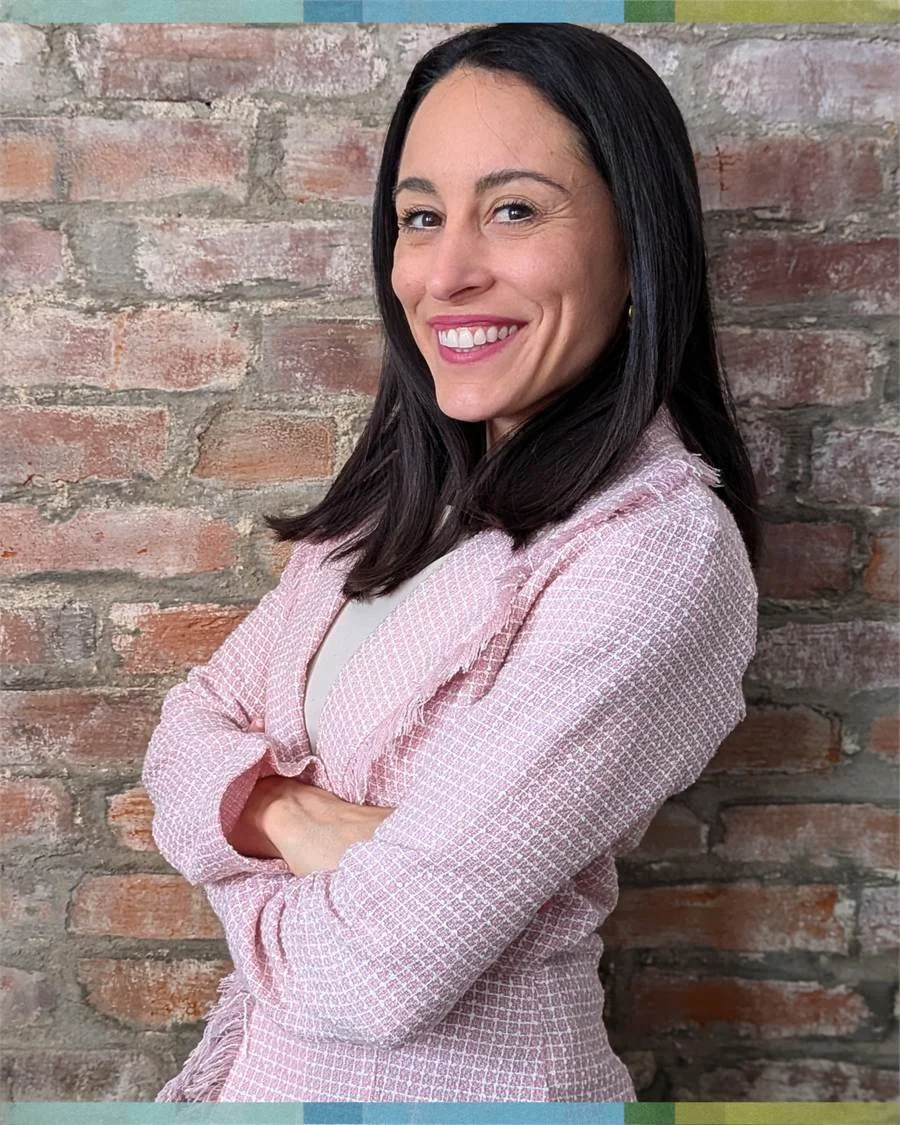
Carolina Dolan-Dominguez, LCSW
LCSW (MO & IL) · English & Spanish
Best fit for teens 16+, young adults, and bilingual clients working through past experiences alongside identity, family, or acculturation stress. Trained in Trauma-Focused CBT. Evening and Sunday times available.
Structured, compassionate, and practical.
-
![Nicole McSuhm, LCSW, trauma and relationship therapist in Illinois]()
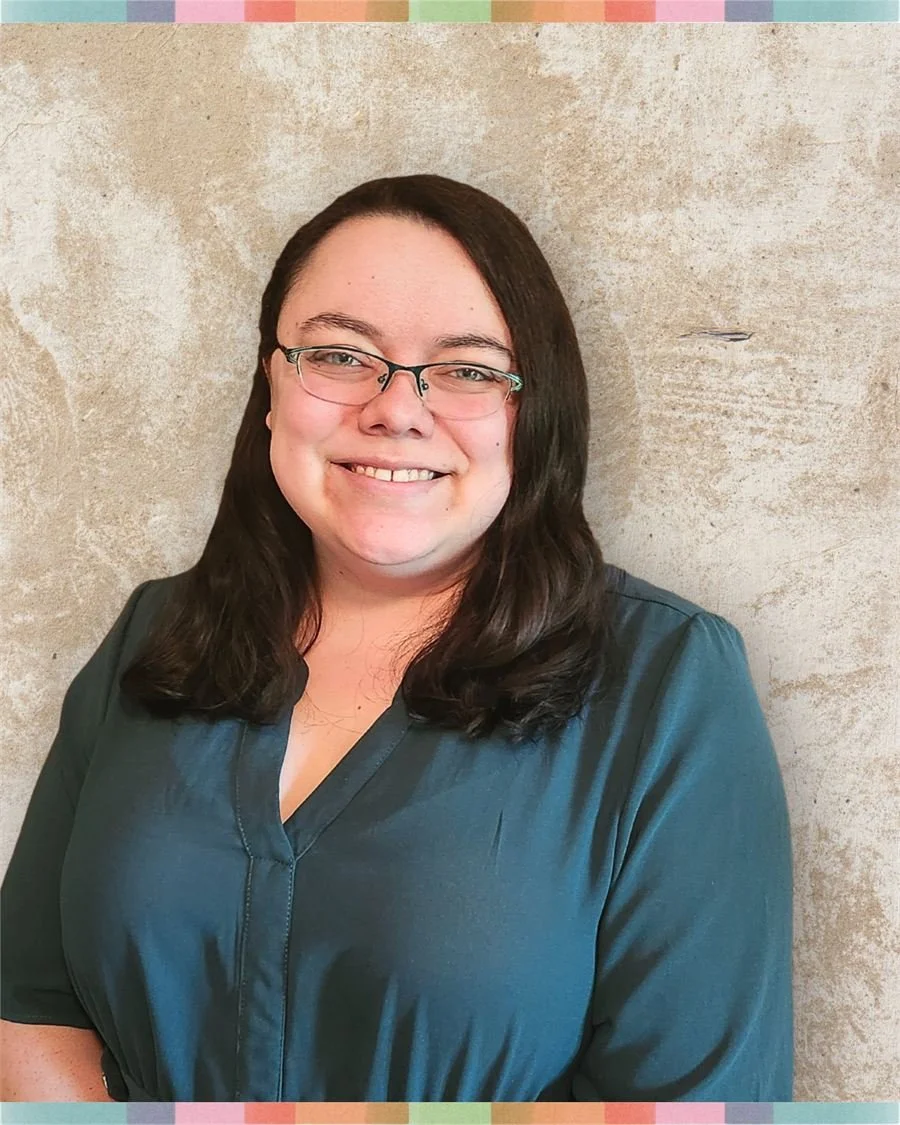
Nicole McSuhm, LCSW
LCSW (Illinois only)
Best fit if trauma shows up in your relationships. A decade of experience supporting survivors of domestic violence, partner abuse, and sexual assault. LGBTQ+ and disability affirming.
Direct, pattern-focused, and strengths-based.

Common Questions
-
Trauma isn't defined by how it looks from the outside. It's defined by how it's still affecting you. If something is still showing up in your body, your relationships, or your sense of safety, it's worth talking about, no matter how it compares to anyone else's experience.
If you're in crisis right now, call or text 988 to reach the Suicide & Crisis Lifeline any time, day or night. If you're in immediate danger, call 911.
-
We draw from evidence-based approaches including Cognitive Processing Therapy (CPT), trauma-focused CBT, and Internal Family Systems (IFS), adapted to your specific experience and pace. There's no one-size-fits-all protocol.
-
No. You set the pace. Good trauma therapy doesn't require reliving every detail to be effective, and your clinician will work with you on what feels manageable.
-
Yes. All sessions are online, and we see clients anywhere in Missouri or Illinois, from St. Louis and Kansas City to Chicago, Springfield, and the Metro East. Early morning, evening, and Sunday appointments are available.
-
Yes. We're in-network with most major insurance plans, and we'll verify your benefits before your first session. Self-pay and superbills are available too.
-
It depends on what you're working through. Some clients see meaningful shifts in a few months, others need longer. We'll check in regularly on progress rather than assuming a fixed timeline.
-
It's a free 15-minute consultation or chat to see if it's a good fit, for you and for us. You don't have to share anything about what happened unless you want to. No commitment, just a chance to ask questions and get a feel for how we work.
Related: Anxiety & burnout therapy · Attachment & relationship patterns · LGBTQ+ therapy
You don't have to carry this alone.

A free 15-minute consultation or chat. You set the pace from the very first conversation.