

LGBTQ+ & RELATIONSHIP DIVERSITY · MISSOURI & ILLINOIS
LGBTQ+ Affirming Therapy in Missouri and Illinois
Therapy that doesn't require you to explain yourself first.

Free 15-minute consult · In-network with most major insurance · 100% online · Early morning, evening, and Sunday availability
93% of new clients come back after their first session.
You shouldn't have to teach your therapist what your identity means before you can start working on anything else. A lot of LGBTQ+ clients spend their first several sessions elsewhere doing exactly that.
LGBTQ+ affirming therapy at CLS starts from a baseline of understanding, whether you're working through something on your own or with a partner or partners. Read more about what LGBTQ+ affirming therapy actually means.
CLS Counseling & Consulting offers online LGBTQ+ affirming therapy for adults and teens 16 and up, anywhere in Missouri and Illinois, from St. Louis and Kansas City to Chicago and the Metro East. All three of our therapists provide affirming individual therapy, including for trans and nonbinary clients, and can write letters for gender-affirming care. Couples and multi-partner therapy, including non-monogamous, polyamorous, and kink-aware care, is available with Nicole in Illinois. Sessions are available in English or Spanish, and we're in-network with most major insurance plans.
LGBTQ+ Couples Therapy in Illinois
Nicole McSuhm, LCSW, works with gay, lesbian, bisexual, trans, nonbinary, and queer couples across Illinois, all online. She has completed Level 2 training in Gottman Method Couples Therapy.
Couples and multi-partner therapy, including non-monogamous, polyamorous, and kink-aware care, is available. Couples come to her for communication, conflict, intimacy, and rebuilding trust. You won't have to explain or defend your relationship first.
We are in-network with most major insurance plans.
Is this you?
Affirming care looks a little different depending on what you're bringing in, whether that's something you're working through on your own or with a partner or partners.
You want a therapist who already understands your identity, not one you have to educate from scratch.
You've had a past therapy experience that felt performatively inclusive rather than genuinely affirming.
You're figuring out identity, coming out, or how to show up differently in different parts of your life.
You're trans or nonbinary and want a therapist who gets it, including support with letters for gender-affirming care.
You're non-monogamous, polyamorous, or kinky, and you want a kink-aware therapist who won't treat your relationship structure as the problem.
You and a partner, or partners, want couples therapy in a space that's affirming without you having to ask for it.
What keeps people from reaching out
A lot of people put off therapy after one bad experience. Maybe you've told yourself one of these:
“I don't want to spend the first three sessions explaining my identity.”
“Last time, my therapist meant well but clearly didn't get it.”
“My relationship structure isn't traditional, and I don't want that treated as the diagnosis.”
“I don't know if therapy here would actually feel safe.”
Those concerns are valid, and they're exactly what affirming care is supposed to solve.
Sound familiar? Start with a free 15-minute consult. Book your free consult →
What it feels like when you don't have to explain yourself
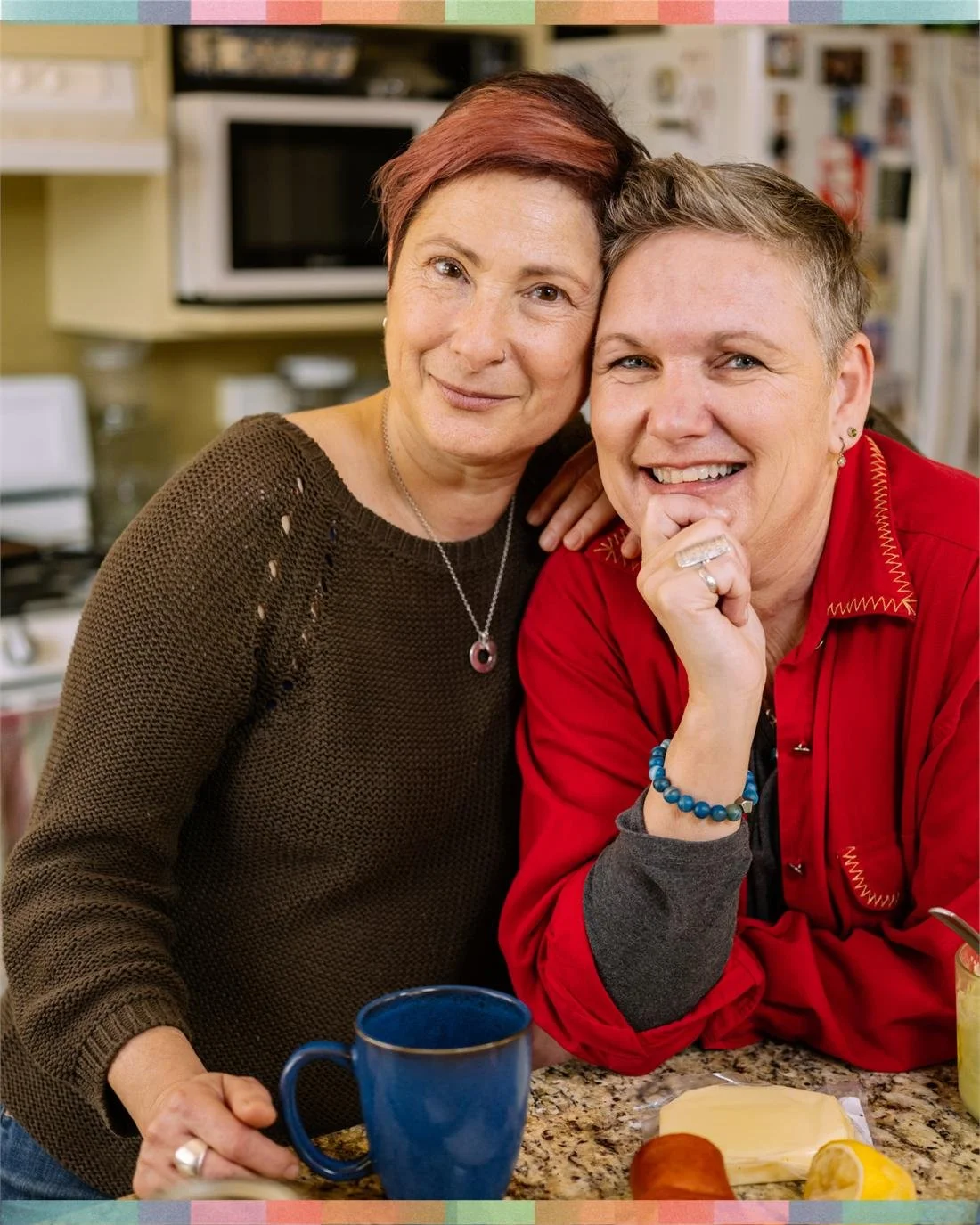
You spend sessions on your actual life, not on educating your therapist.
You stop editing yourself depending on the room.
Family, work, and disclosure decisions feel like choices, not threats.
Your relationships run on agreements that actually fit you.
Minority stress gets named and handled instead of quietly running the show.

What LGBTQ+ Affirming Therapy Looks Like at CLS

Affirming care here isn't a separate track or a special accommodation. It's the baseline for every therapist on our team. You won't spend your sessions explaining what nonbinary means or defending your relationship structure, so you can get to the stuff you actually came in for.

About 9% of U.S. adults now identify as LGBTQ+, more than double the share in 2012 (Gallup, 2025). LGBTQ+ adults are also much more likely to describe their mental health as fair or poor, 39% compared to 16% (KFF). Minority stress, not identity itself, drives that gap, and it responds well to the right support.

Individual therapy: any of our three therapists, anywhere in Missouri or Illinois, in English or Spanish.
Couples & relationship diversity: Nicole, for couples and multi-partner relationships in Illinois.
Why this works
That gap is well documented: the extra strain comes from stigma, rejection, and always having to stay on guard (Meyer, 2003). Therapy that names those stressors directly helps. In a randomized trial, LGB-affirmative cognitive behavioral therapy reduced depression in young gay and bisexual men compared with a waitlist (Pachankis et al., 2015). Affirming care is also the standard the American Psychological Association sets for practice (APA, 2021).
Clinically reviewed by Cassandra Sissom, LCPC, LPC, clinical director · Last reviewed October 2026
Getting started
1
Book a free consultation
15 minutes to ask anything and find your fit. No explaining required.

2Get a plan
Your first session maps out what you want help with. No identity explainer required.

3Build skills that stick
Leave each session with something to try. As things improve, sessions space out.

Wondering about cost? We're in-network with most major insurance plans, and we'll verify your benefits before your first session.
Meet your therapists
-
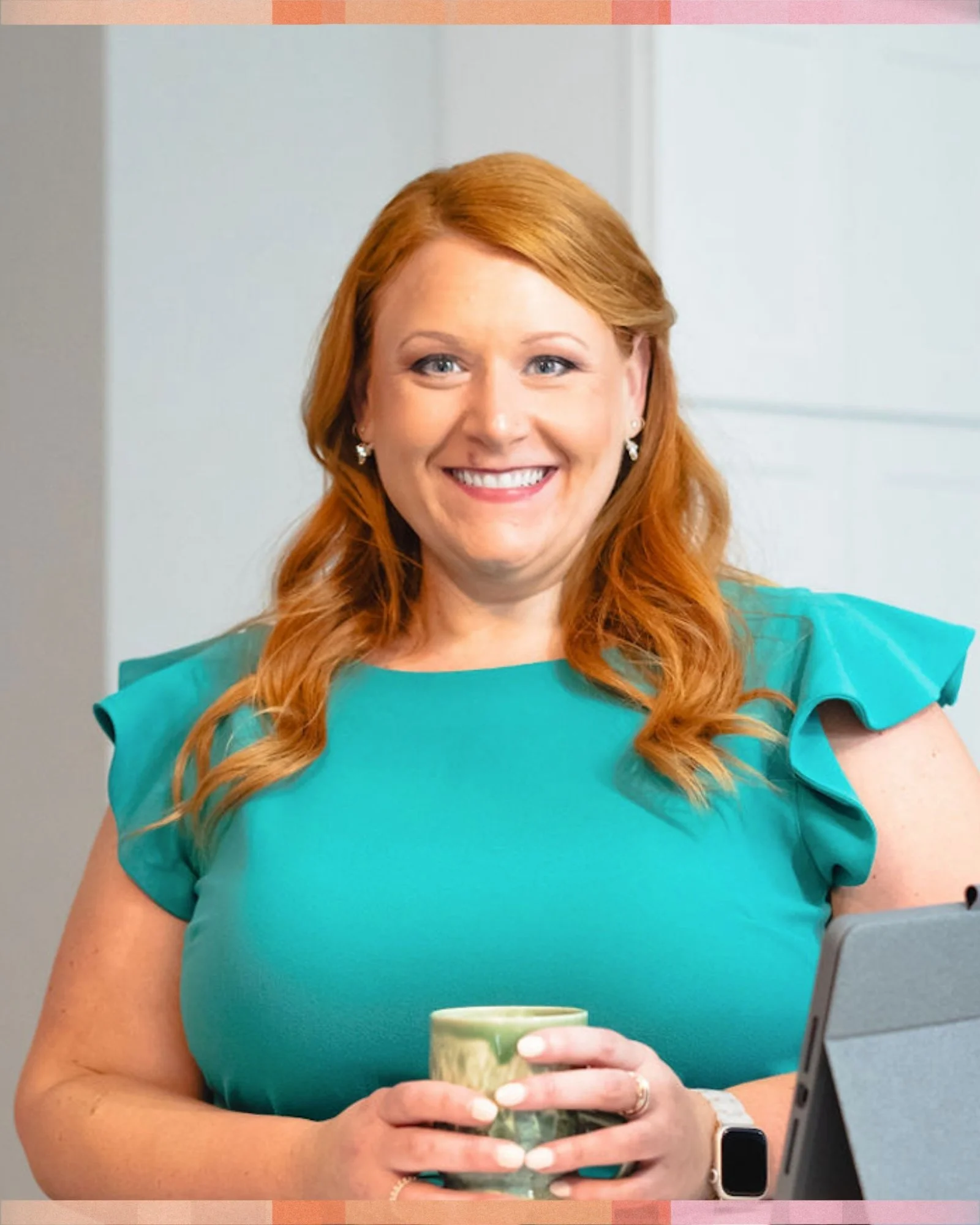
![Cassandra Sissom, LCPC, LPC, LGBTQ+ affirming therapist in Missouri and Illinois]()
Cassandra Sissom, LCPC, LPC
LPC (MO) · LCPC (IL)
Best fit for high-achieving LGBTQ+ adults navigating burnout, identity, and the exhaustion of being the reliable one in every room. Affirming care is built into how she works, not treated as a separate consideration.
Insightful, candid, and grounded.
-
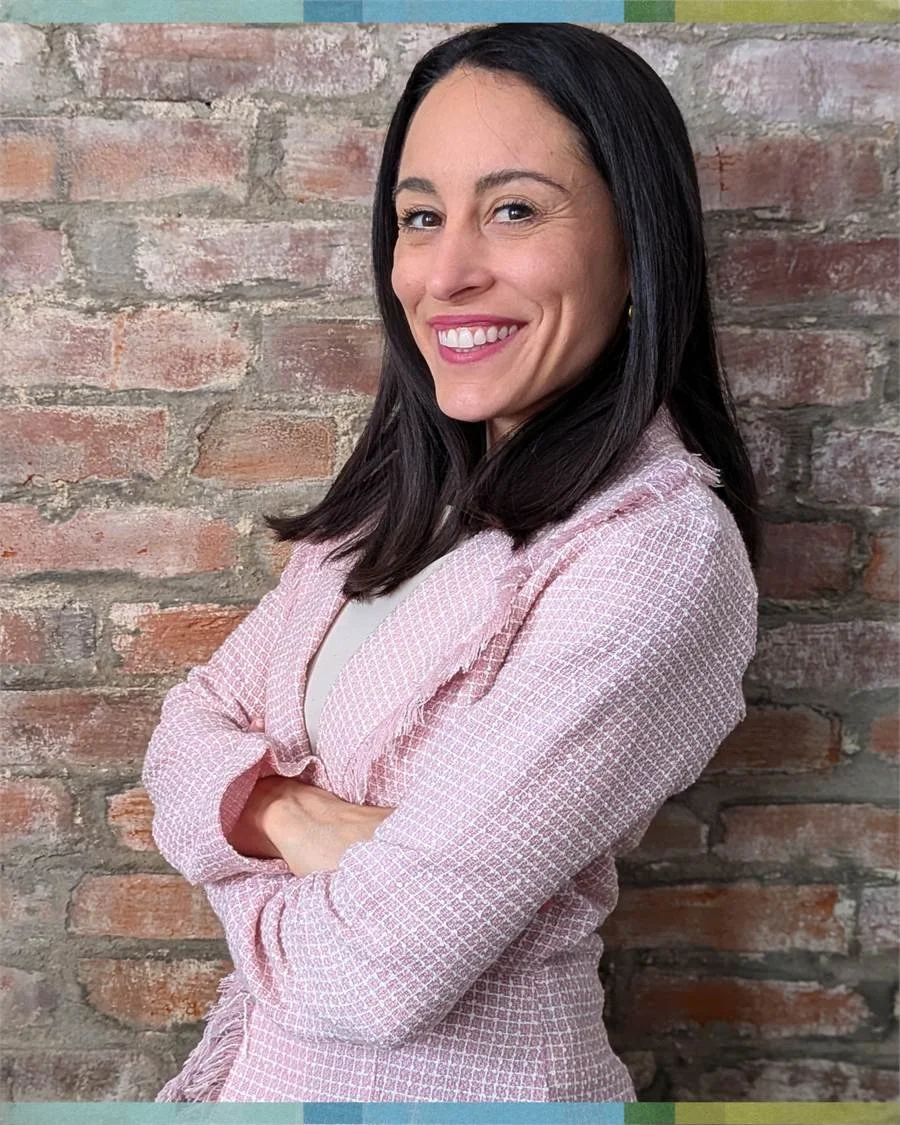
![Carolina Dolan-Dominguez, LCSW, bilingual LGBTQ+ affirming therapist in Missouri and Illinois]()
Carolina Dolan-Dominguez, LCSW
LCSW (MO & IL) · English & Spanish
Best fit for LGBTQ+ teens 16+, young adults, and bilingual clients working through identity alongside family and culture. Sessions in English or Spanish. Evening and Sunday times available.
Structured, compassionate, and practical.
-
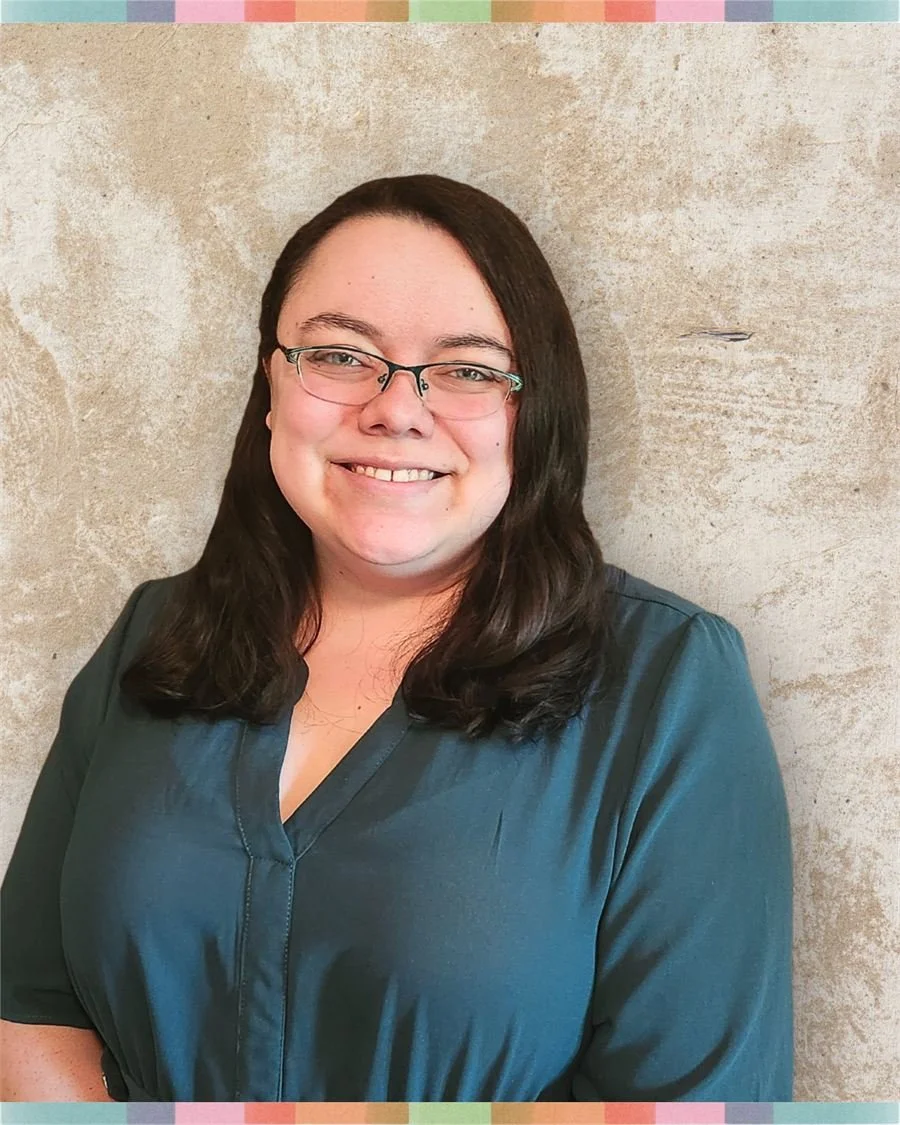
![Nicole McSuhm, LCSW, LGBTQ+ affirming couples therapist in Illinois]()
Nicole McSuhm, LCSW
LCSW (Illinois only) · Couples & relationship diversity
Best fit for LGBTQ+ couples, multi-partner relationships, and individuals breaking old relationship patterns. Non-monogamy, polyamory, and kink-aware. Has completed Level 2 training in Gottman Method Couples Therapy. Disability-affirming.
Direct, pattern-focused, and strengths-based.
Common Questions
-
No. Affirming care means that groundwork is already assumed, not something you have to provide before your therapist can help you.
In crisis right now? Call or text 988, reach the Trevor Project at 1-866-488-7386 (LGBTQ+ young people), or call Trans Lifeline at 877-565-8860. If you're in immediate danger, call 911.
-
Yes. All three of our therapists provide affirming individual therapy for trans and nonbinary clients, anywhere in Missouri or Illinois.
-
Yes. Our therapists write letters of support for gender-affirming medical care, like hormones or surgery. Ask about it on your free consult and we'll walk you through what's involved.
-
Yes. Affirming care is active, not passive. It means understanding LGBTQ+ experience and minority stress specifically, not just being open-minded in a general sense.
-
Yes. Nicole is kink-aware and works with non-monogamous and polyamorous relationships without treating the structure itself as the problem, including couples and multi-partner therapy in Illinois. All three of our therapists support individuals in these relationships in Missouri and Illinois.
-
Yes. We're in-network with most major insurance plans, and we'll verify your benefits before your first session. Self-pay and superbills are available too.
-
Yes, for Illinois residents. Nicole works extensively with LGBTQ+ couples and offers a space that's affirming without you having to ask for it. More about couples therapy →
-
It's a free 15-minute consultation or chat to see if it's a good fit, for you and for us. No commitment, and no explaining required. Just a chance to ask questions and get a feel for how we work.
Related: Couples therapy · Identity & life transitions · Attachment & relationship patterns
Come as you are. Start from there.
A free 15-minute consultation or chat. No explaining required.
